One day, you notice your step has changed. It’s not as light or steady as it used to be. You might assume it’s just part of getting older – but often, it’s not. It’s a sign you haven’t been caring for your feet, legs, and hips the way they need. They’re quietly asking you to notice them again.
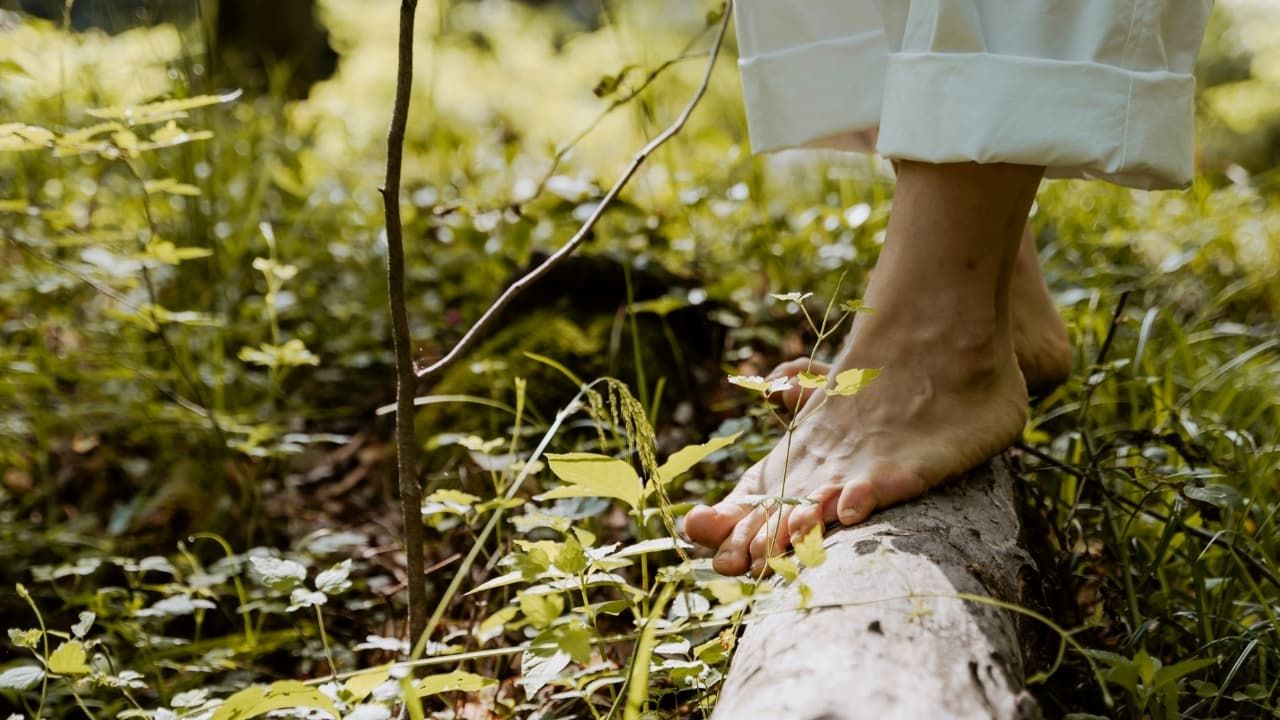
Do you own your walking?
Walking can feel like something you simply have – something that takes care of itself. Once learned, never forgotten! But that assumption can be misleading. The way you move isn’t fixed; it evolves with how you use your body. Without care and awareness, those patterns can slowly drift away from you.

Maybe it’s not enough?
It’s natural to think that getting out for a walk now and then is enough. And it does have its place. But it doesn’t necessarily change how you move. Over time, many of us settle deeper into familiar habits – patterns that gradually grow stiffer and more restricted. Without realizing it, they begin to shape every step you take.

What is somatic walking?
In somatic walking, you don’t walk! You lie down on the floor, allowing your body to settle, free from the effort of staying upright. From there, you explore the small, essential movements – your feet, your legs, your hips – moving slowly and with attention. As you continue, your whole body becomes involved, including your breath. It’s a quiet and liberating process of reconnecting with yourself and your natural movement.
Somatic walking, step-by-step
Somatic walking is whole-body care. That’s why it’s so effective. Here’s how it works!
Feel and activate your body
To work with your body, you need to feel it first. You need to activate the felt sense of it. From the inside and the outside.

Release and engage your fascia
When you feel your body, you can connect with your movements, breathing and fascia. You can release tension and extend your range of motion. You can build flexibility, elasticity and strength.


Walk with confidence
Gradually, your body starts to move as one body again. You can walk with energy, enthusiasm and confidence. You can bring the spring back in your step!
It’s pure pleasure!
With a free body and a free mind, you can enjoy movement in a new way. The body feels whole. You can love the way you move, and move the way you love. Walking becomes your new pleasure!
Walk with me!
Meet your teacher

It’s much easier to walk-out in a group. And so much more fun! Together, we can do it!
Peter, founder of Movingness
Peter Appel is an internationally acclaimed movement teacher from Finland. He has been practicing and teaching yoga, movement, and dance for over 25 years.
Workout or teacher training?
Movingness Somatic Walking is a series of 12 workouts. It’s also an ISMETA-approved teacher training where you’ll learn how to teach the method to your students. The workouts are included in the teacher training.
Take your first step!
The next course starts on September 7 and September 9, 2027. The live classes on Zoom are on Tuesdays at 10 AM Helsinki time (EEST, UTC +3), and on Thursdays at 7 PM Helsinki time (EEST, UTC +3). More details in the Q&A below! Warmly welcome!
Payment plan with four installments
4x$90 ($360)
ISMETA-approved teacher training, 40 h
Step up now!
Q&A
Let’s look at the details!
What is Movingness Somatic Walking?
[Important] How is the training set up?
Is Somatic Walking right for me?
Why is walking so challenging?
Walking is tougher than we think. Here’s what makes the upright posture so challenging!

1. Weight
When we put all weight on two feet, it creates a strong load on the lower back, hips, and pelvic floor.
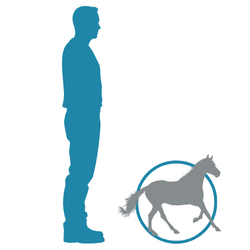
2. Extension
The upright body is in full extension. This limits the movements of the spine and makes the body stiff.
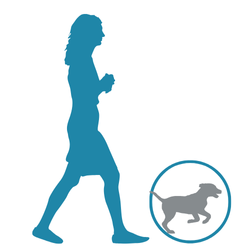
3. Balance
Staying in balance on two feet is challenging. If the body is stiff and rigid it becomes even harder.

4. Lifestyle
An inactive lifestyle with restricted movement patterns further weakens our walking skills.